
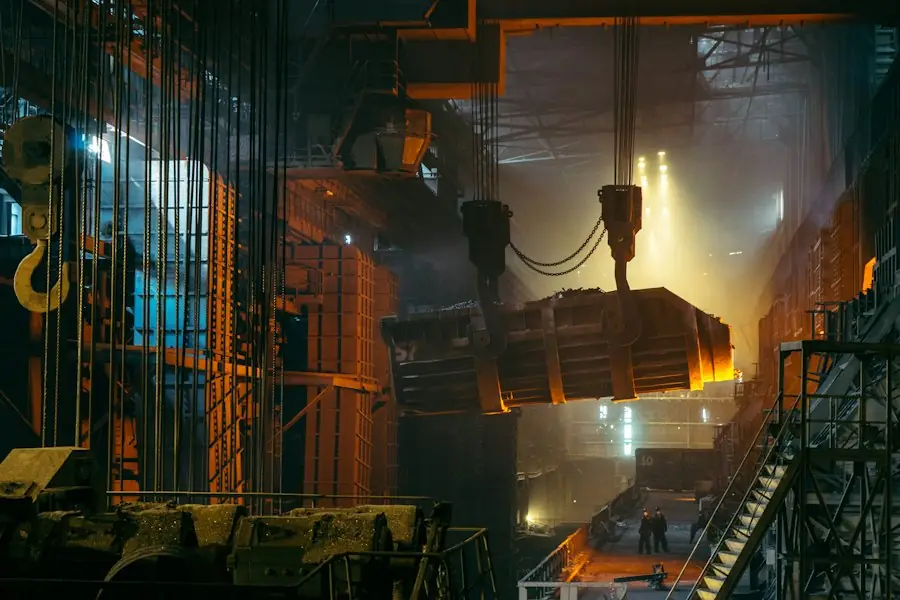
- A ladle is lined by zone: the slag line, walls and bottom wear differently and need different materials.
- Magnesia-carbon bricks are the usual choice for the slag line, where basic slag attacks the lining.
- Tundish working linings come as gunning or spray mass, dry vibrating mass or boards; the right one depends on sequence length.
- Nozzles, slide gates, stoppers and shrouds control steel flow. Their reliability matters as much as the lining's.
01A ladle is lined by zone
A steel ladle has two layers. The permanent (safety) lining sits against the steel shell and lasts many campaigns. The working lining faces the molten steel and slag, and it is the part that wears out and gets relined.
The working lining does not wear evenly. The slag line takes chemical attack from slag and the most thermal stress. The walls see steel erosion and thermal cycling. The bottom and impact pad take the mechanical hit of tapping. A good lining uses the right material in each zone, so the whole ladle reaches the end of its campaign together.
02Ladle lining materials
Most steel ladles use a combination of three material families. The split between them depends on your steel grades, secondary metallurgy and ladle cycle.
Magnesia-carbon
Slag lineFused or sintered magnesia bonded with carbon, usually with antioxidants. The carbon resists slag penetration and improves thermal shock resistance.
- Excellent resistance to basic slag
- Good thermal shock resistance
- Carbon oxidises if the ladle is preheated or held badly
Alumina-magnesia-carbon
Walls & bottomAlumina-based bricks with magnesia and carbon. In service they form spinel, which expands slightly and tightens the joints.
- Strong erosion resistance
- Joints close up in service
- Less resistant to aggressive basic slag than MgO-C
Castables
MonolithicLow-cement alumina-spinel or alumina-magnesia castables, cast in place as a single lining with no brick joints.
- No joints for steel to penetrate
- Can be repaired and partly re-cast
- Needs a careful dry-out and heat-up schedule
| Ladle zone | Main wear | Typical material |
|---|---|---|
| Slag line | Slag corrosion, thermal shock | Magnesia-carbon bricks |
| Walls | Steel erosion, thermal cycling | AMC bricks or alumina-spinel castable |
| Bottom & impact pad | Impact and erosion at tapping | AMC bricks or castable, impact pad block |
| Well & purging block | Erosion, thermal stress | High-alumina or spinel precast blocks |
| Permanent lining | Thermal protection of the shell | Alumina castable or bricks, plus insulation |
These are common practice, not fixed rules. The right design depends on your ladle size, grades and cycle times.
03Tundish working linings
The tundish feeds steel from the ladle into the caster moulds. Its working lining is replaced every sequence, so how quickly it installs and how many heats it holds both affect output.
| Gunning / spray mass | Dry vibrating mass | Boards | |
|---|---|---|---|
| How it is applied | Sprayed or gunned with water | Dry, vibrated behind a steel former | Pre-formed panels fitted in place |
| Sequence length | |||
| Speed of installation | |||
| Drying needed | Yes, water must be removed | No water; heat cures the binder | Minimal |
| Deskulling | Good | Very good | Good |
Ratings are relative, for comparison only. Results depend on the specific grade, the tundish design and your casting practice.
04Functional refractories
Functional refractories control the flow of steel and protect it from air. A failed nozzle or a stuck slide gate can stop a cast, so their reliability counts as much as the lining's.
05How to choose
Start from your process, then check how the ladle and tundish are actually run. Five questions settle most decisions.
What grades and slag do you run?
Basic, aggressive slag and long ladle furnace treatment favour magnesia-carbon in the slag line.
How long is the ladle cycle?
Long empty times cool the lining and oxidise the carbon. Short, hot cycles get the most from carbon-bonded bricks.
How long are your casting sequences?
Long sequences reward a dry vibrating mass in the tundish. Short ones may be better served by boards or spray mass.
How clean does the steel need to be?
Shrouds, submerged entry nozzles and good tundish flow control matter more as quality demands rise.
What does a reline really cost you?
Add material, labour, preheating energy and lost casting time. A better lining that lasts longer can cost less per tonne.
Design the lining so every zone wears out at the same time.
06Getting longer life
Lining life depends on practice as much as on material. These are the causes we see most often behind early failures.
07Frequently asked questions
Why does the ladle slag line wear out first?
The slag line is where slag sits against the lining during treatment and tapping. Slag attacks the refractory chemically and the zone takes the most thermal stress, so it usually needs the most resistant material, typically magnesia-carbon bricks.
Should we use bricks or castable in the ladle?
Both work. Bricks are quick to install and easy to match by zone. Castables give a joint-free lining and can be partly repaired, but need a controlled dry-out. Many plants use magnesia-carbon bricks in the slag line with bricks or castable below it.
Which tundish lining gives the longest sequence?
Dry vibrating mass usually supports the longest sequences and needs no water, so there is no drying step. Spray and gunning masses are fast to apply but must be dried. Boards are quickest to fit and suit shorter sequences.
Get the right refractories for your ladle and caster
We supply magnesia-carbon bricks, castables, tundish linings and functional products from our refractory manufacturers, including Yingkou Shenghe Refractories and Zibo Long Keter. Share your ladle size, grades, cycle times and current lining life, and we will recommend a lining with a manufacturer-backed offer.